Aluminum Foundry: Leveraging Aluminum’s Recyclable Nature for Sustainable Marine Engineering
Wiki Article
How Precision Aluminum Castings Improve Performance in Marine Design
Precision aluminum castings play a critical duty in progressing aquatic engineering. Their light-weight nature adds to enhanced gas performance and ability to move in vessels. On top of that, the one-of-a-kind buildings of light weight aluminum boost corrosion resistance, ensuring sturdiness in challenging marine settings. As the market seeks innovative solutions, understanding the details applications and advantages of these spreadings comes to be vital. The exploration of their effect on architectural honesty raises interesting questions regarding the future of maritime technology.The Advantages of Light Weight Aluminum in Marine Applications
Light weight aluminum's light-weight nature offers considerable benefits in marine applications - Metal Foundry. This attribute brings about enhanced fuel efficiency, allowing vessels to travel faster and consume less fuel, which is essential in the competitive aquatic industry. Furthermore, the decreased weight adds to improved ability to move and stability, necessary for numerous marine proceduresRust resistance is an additional important advantage of light weight aluminum, especially in deep sea settings. This home expands the lifespan of marine parts, reducing maintenance prices and downtime. Aluminum's capacity to be conveniently molded into complex shapes enables for innovative layouts that enhance performance and functionality.
The material's recyclable nature aligns with sustainability efforts in the marine industry, advertising eco pleasant practices - Aluminum Casting. On the whole, the combination of lightweight design, resilience, and adaptability makes aluminum a preferred choice for marine engineers looking for to enhance performance and effectiveness in their jobs
Comprehending the Spreading Refine
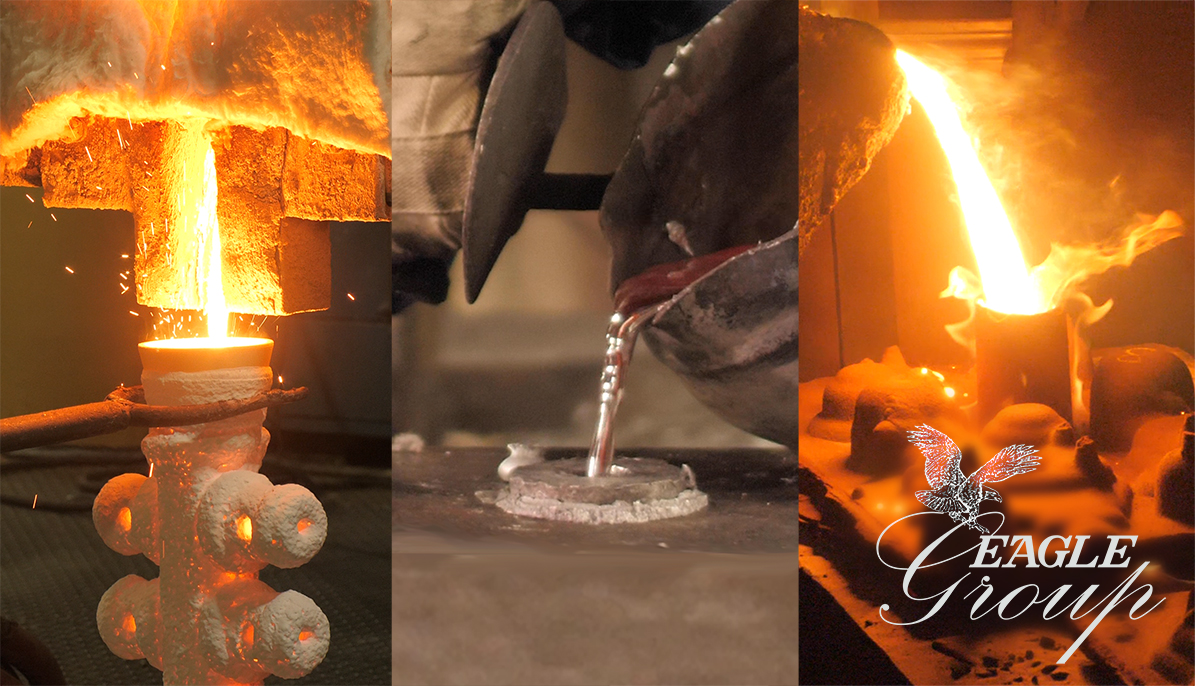
Throughout the casting process, careful temperature control is basic, ensuring the aluminum remains in a fluid state up until it fills the mold completely. Air conditioning rates additionally considerably influence the microstructure of the cast aluminum, impacting its mechanical buildings.
After solidification, the cast elements undertake different finishing processes to achieve the wanted surface area top quality and dimensional precision. This thorough focus to detail assurances that the last products fulfill strict aquatic engineering requirements, ultimately boosting efficiency sought after settings.
Key Residence of Accuracy Light Weight Aluminum Castings
Accuracy aluminum spreadings possess a special mix of residential properties that make them very important in marine engineering. One substantial property is their lightweight nature, which permits boosted fuel efficiency and much easier handling during installation. Furthermore, light weight aluminum displays exceptional deterioration resistance, specifically in marine environments where saltwater exposure prevails. This particular improves the long life of components, lowering maintenance prices and downtime.Precision light weight aluminum castings use high strength-to-weight proportions, allowing the building of robust frameworks without unneeded mass. Their thermal conductivity is another benefit, permitting efficient heat dissipation, necessary in applications such as engine parts. The ability to attain complex geometries with precision spreading techniques also supplies design flexibility, allowing designers to customize elements to particular efficiency requirements. Overall, these residential or commercial properties collectively add to the improved performance and integrity of marine engineering applications.
Applications in the Marine Sector
Precision aluminum spreadings play a crucial duty in the marine industry, particularly in the production of engine parts. Their lightweight yet sturdy nature also adds to ingenious hull framework styles, boosting overall vessel efficiency. In addition, improvements in casting innovations have brought about enhanced propeller performance, sustaining the demand for higher functional effectiveness in aquatic engineering.Engine Elements Manufacturing
Engine parts making plays a crucial function in the aquatic industry, where reliability and efficiency are extremely important. Precision light weight aluminum spreadings are increasingly made use of for producing critical engine components, such as cylinder manifolds, crankcases, and heads. These spreadings supply reduced weight contrasted to conventional materials, improving gas performance and general performance. The sturdiness of light weight aluminum assurances that elements can endure rough aquatic environments while preserving architectural stability. The production process enables for complex layouts that maximize air flow and thermal monitoring, vital for engine effectiveness. As aquatic engineering advances, the adoption of precision light weight aluminum castings in engine parts producing proceeds to give significant benefits, sustaining the market's demand for technology and sustainability.Hull Structures Style
While making sure safety and efficiency, hull structures layout plays a vital function in the marine sector, affecting the general effectiveness and ability to move of vessels. Accuracy light weight aluminum spreadings use substantial benefits around, allowing the development of lightweight yet robust hulls. These castings enable for detailed designs that improve hydrodynamic performance, reducing resistance and enhancing gas intake. Furthermore, aluminum's corrosion resistance contributes to the long life of hull structures, lowering upkeep prices in time. The capability to produce complicated geometries with precision spreading strategies also assists in ingenious layouts tailored to certain aquatic applications. The assimilation of accuracy aluminum spreadings in hull frameworks not just boosts functional capacities but likewise aligns with developing industry standards for sustainability and performance enhancements.Prop Performance Enhancement

Enhancing Architectural Stability and Weight Decrease
In aquatic engineering, the strength-to-weight ratio of accuracy aluminum castings plays an essential role in boosting structural stability while decreasing general weight. This beneficial residential property permits the design of lighter, extra efficient vessels without endangering security or efficiency. Furthermore, light weight aluminum's intrinsic rust resistance further contributes to the durability and integrity of marine applications.Strength-to-Weight Proportion
The strength-to-weight proportion is an important aspect in aquatic design, where structural stability has to be stabilized with weight effectiveness. Precision aluminum spreadings use substantial benefits hereof, incorporating the ability to Go Here endure high stress while keeping a lightweight account. This unique building enables the design of vessels and parts that are both robust and agile, enhancing general performance. By utilizing aluminum, engineers can accomplish excellent structural honesty without endangering on weight, which is essential for gas efficiency and speed. Aluminum Foundry. Additionally, a favorable strength-to-weight ratio promotes cutting-edge designs that may not be feasible with larger materials. Therefore, accuracy light weight aluminum spreadings play a crucial role ahead of time aquatic engineering applications, ensuring sturdiness while decreasing excess weightRust Resistance Perks
Deterioration presents a substantial risk to aquatic frameworks, making deterioration resistance a crucial factor to consider in material selection. Precision light weight aluminum spreadings demonstrate extraordinary resistance to rust, mainly as a result of their natural oxide layer, which secures the underlying metal from severe marine atmospheres. This integral property enhances the architectural integrity of aquatic elements, making sure durability and dependability. In addition, the lightweight nature of light weight aluminum enables a lot more effective designs without jeopardizing stamina. By minimizing the overall weight of structures, light weight aluminum spreadings contribute to boosted fuel efficiency and total performance. As a result, the mix of deterioration resistance and weight reduction in accuracy aluminum spreadings positions them as an excellent selection for aquatic design applications, inevitably bring about safer and even more lasting maritime operations.Rust Resistance and Longevity
Marine settings existing distinct challenges for products utilized in design, particularly worrying their sturdiness and resistance to degradation. Precision light weight aluminum castings are progressively acknowledged for their remarkable rust resistance, which is essential in prolonging the life-span of aquatic components. The integral residential or commercial properties of aluminum, such as its ability to form a protective oxide layer, greatly boost its durability against deep sea and various other destructive agents.Moreover, accuracy spreading methods enable the production of elaborate layouts and intricate forms, making best use of structural integrity while reducing product waste. This not just contributes to weight decrease-- an important consider marine applications-- yet also ensures that the elements preserve their mechanical properties over prolonged durations. The longevity of light weight aluminum spreadings translates to decreased upkeep costs and raised dependability, making them a helpful option for engineers. Inevitably, the combination of corrosion resistance and longevity settings precision light weight aluminum spreadings as a basic component beforehand aquatic engineering services.
Future Patterns in Marine Design With Aluminum Castings
As developments in innovation proceed to reshape the landscape of marine engineering, precision aluminum spreadings are positioned to play an essential function in future growths. The promote lightweight materials that boost gas efficiency and reduce exhausts drives the adoption of aluminum castings in vessel style. Developments in casting techniques, such as additive manufacturing and improved alloy formulas, are expected to yield elements with superior strength-to-weight proportions and complicated geometries.In addition, the combination of smart innovations, including sensing units and IoT capacities, into aluminum spreadings could assist in real-time monitoring of vessel performance and architectural stability. This pattern straightens with the raising focus on sustainability, as light weight aluminum's recyclability and reduced energy intake throughout production add to eco-friendly campaigns in aquatic design. As these patterns advance, accuracy light weight aluminum castings will likely become important to developing a lot more efficient, long lasting, and eco responsible visite site aquatic vessels for the future.
Frequently Asked Inquiries
Exactly How Does Light Weight Aluminum Spreading Contrast to Other Materials in Marine Applications?
Light weight aluminum casting deals advantages such as lightweight properties, rust resistance, and simplicity of fabrication contrasted to products like steel and iron. These qualities make aluminum a beneficial choice in aquatic applications, enhancing durability and efficiency.What Is the Expense Difference Between Aluminum and Standard Marine Materials?
The cost difference in between light weight aluminum and typical marine materials often prefers aluminum, as it generally provides a reduced first financial investment. Lasting maintenance and efficiency effectiveness can further turn the financial equilibrium in support of light weight aluminum.Can Aluminum Castings Be Recycled After Their Life expectancy?
Yes, light weight aluminum spreadings can be reused after their life-span. This process saves resources and reduces ecological influence, making light weight aluminum linked here a sustainable choice in various industries, including marine design, where product durability and recyclability are crucial.What Safety Specifications Relate To Light Weight Aluminum Castings in Marine Engineering?
Safety requirements for aluminum castings in marine engineering include ASTM requirements, ISO accreditations, and ABS guidelines. These ensure architectural stability, deterioration resistance, and conformity with environmental guidelines, enhancing security and efficiency in aquatic applications.How Do Weather Affect Light Weight Aluminum Spreading Performance at Sea?
Climate condition significantly impact aluminum spreading performance mixed-up. Factors such as temperature level changes, humidity, and exposure to deep sea can bring about corrosion, material exhaustion, and endangered structural honesty, eventually affecting the dependability and longevity of marine elements.Precision aluminum castings play a crucial duty in progressing aquatic engineering. Accuracy light weight aluminum spreadings have an unique mix of properties that make them highly important in marine design. In aquatic design, the strength-to-weight ratio of precision light weight aluminum castings plays an important function in improving structural honesty while reducing total weight. As improvements in modern technology proceed to reshape the landscape of aquatic design, precision aluminum castings are positioned to play a critical role in future developments. The cost difference between light weight aluminum and standard marine materials typically favors aluminum, as it normally provides a lower first financial investment.
Report this wiki page